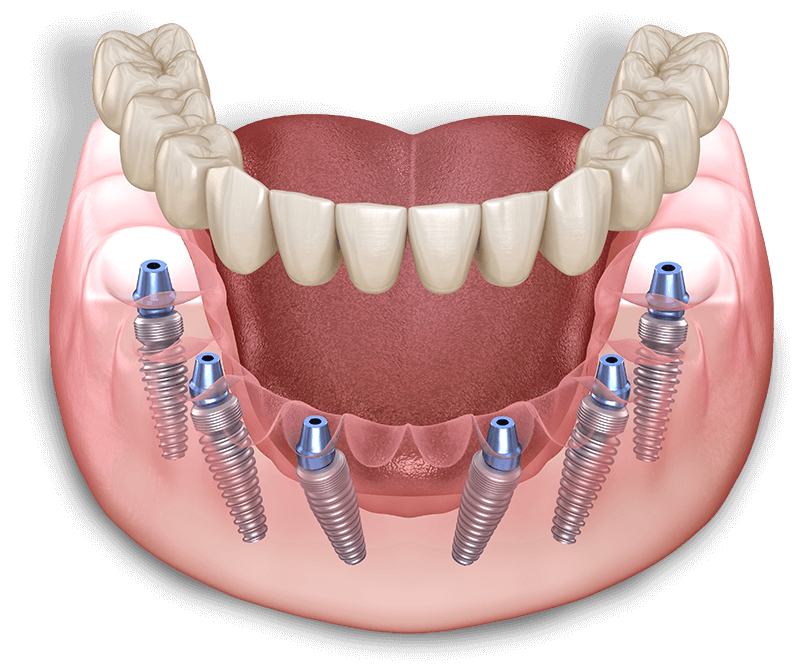
LAPIP (Laser-Assisted Peri-Implantitis Procedure) is an FDA-approved failing dental implant treatment at Chinook Falls Dental that doesn’t require cutting or stitches.
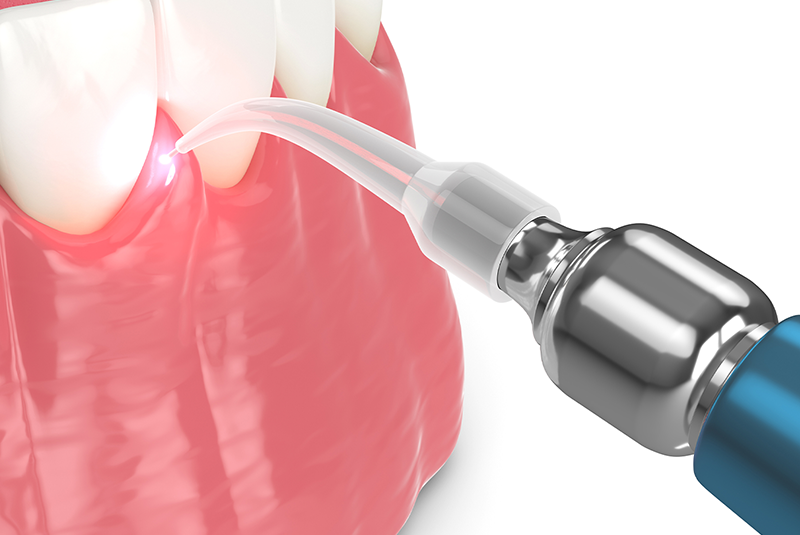
This advanced procedure targets the bacterial infection responsible for inflammation and bone loss around implants. The laser removes diseased tissue, eliminates harmful bacteria, and stimulates your body’s natural healing response to encourage bone regeneration and save a failing dental implant.
If infection or inflammation is threatening the health of your dental implants, surgery isn’t always your only option. At Chinook Falls Dental, we offer LAPIP, an advanced, minimally invasive laser treatment designed to treat peri-implant disease while preserving healthy gum and bone tissue whenever possible.
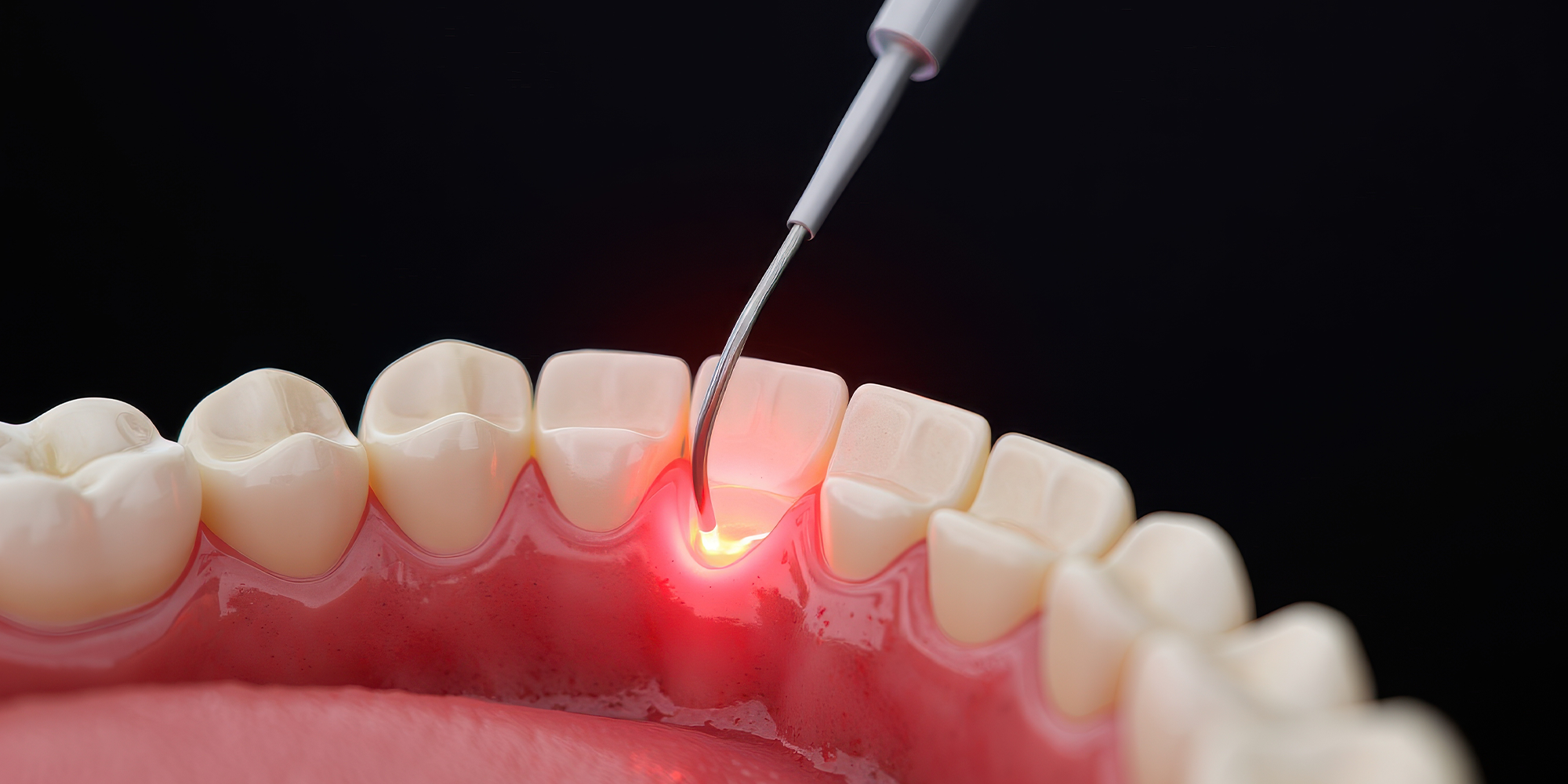
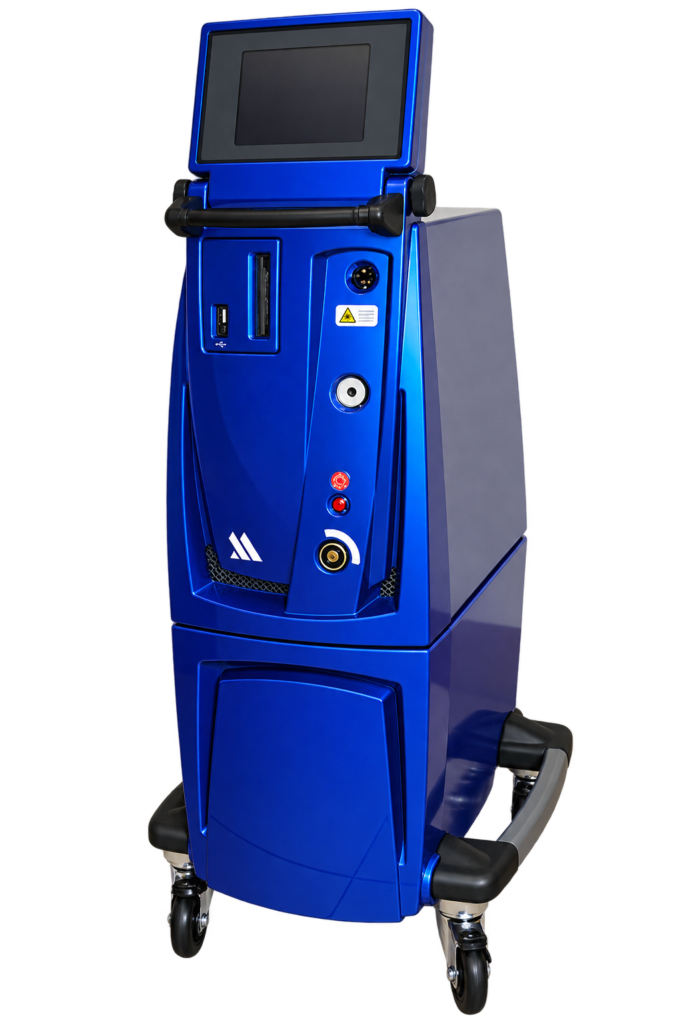
Using the PerioLase® MVP-7™ laser, LAPIP precisely targets harmful bacteria without the need for traditional implant revision surgery. Because the procedure is gentle on surrounding tissues, patients typically experience less discomfort, minimal downtime, and a faster recovery. With proven clinical success in helping save compromised dental implants, LAPIP offers an effective, modern solution for protecting your smile and restoring your oral health.
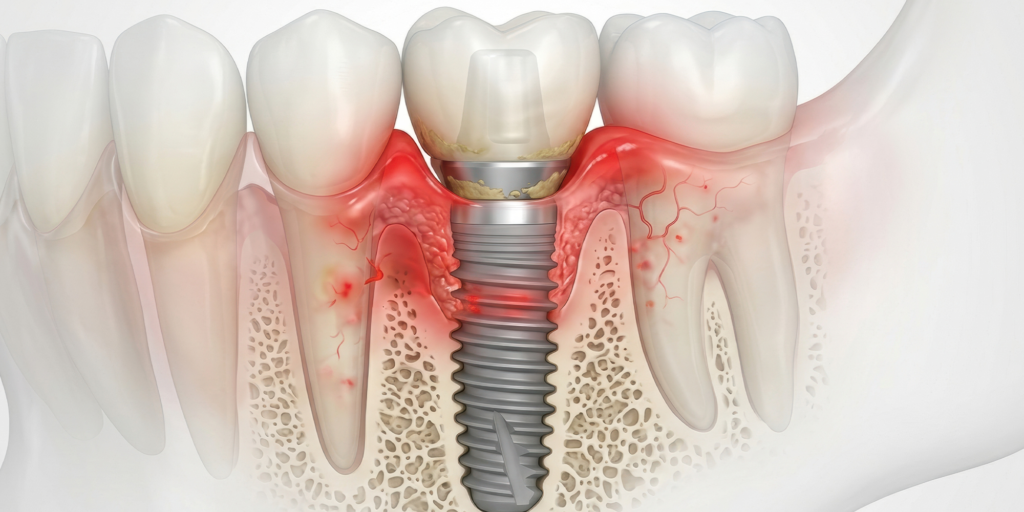
Although it’s normal to experience mild tenderness immediately after dental implant placement, ongoing pain, swelling, or discomfort should never be ignored. Peri-implant disease often begins with subtle symptoms, such as bleeding gums around the implant, persistent inflammation, bad breath, or sensitivity when chewing.
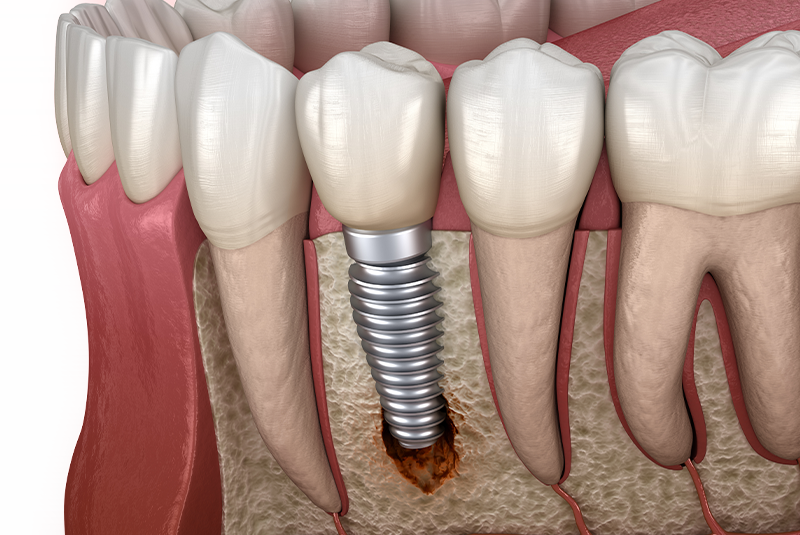
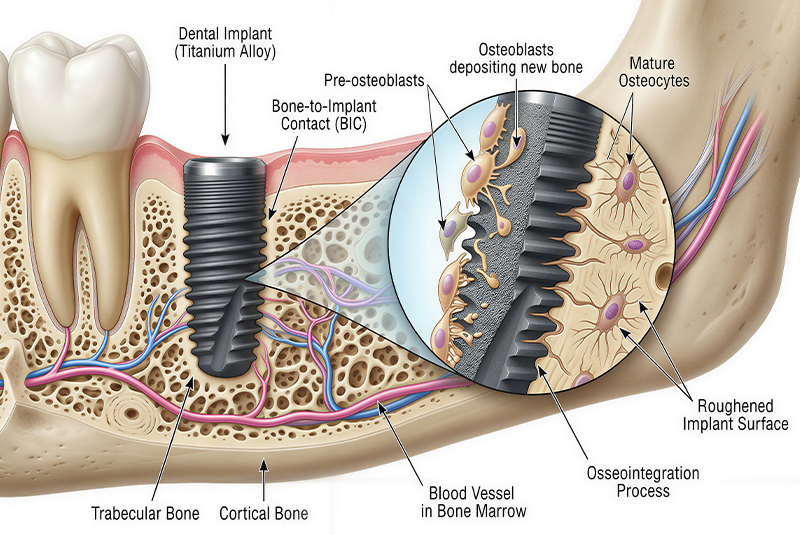
As the infection progresses, it can damage the bone supporting the implant, causing it to feel loose or unstable. Seeking treatment at the first sign of trouble can help stop the infection, preserve healthy tissue, and improve the chances of saving your dental implant.
Although dental implants are highly successful and long-lasting, factors such as poor oral hygiene, smoking, certain medical conditions, and excessive bite pressure can increase the risk of peri-implantitis.
This advanced inflammatory infection is similar to gum disease; however, it can progress more rapidly around dental implants than natural teeth. Early treatment at Chinook Falls Dental is important because symptoms of peri-implantitis can worsen over time and eventually lead to implant failure.
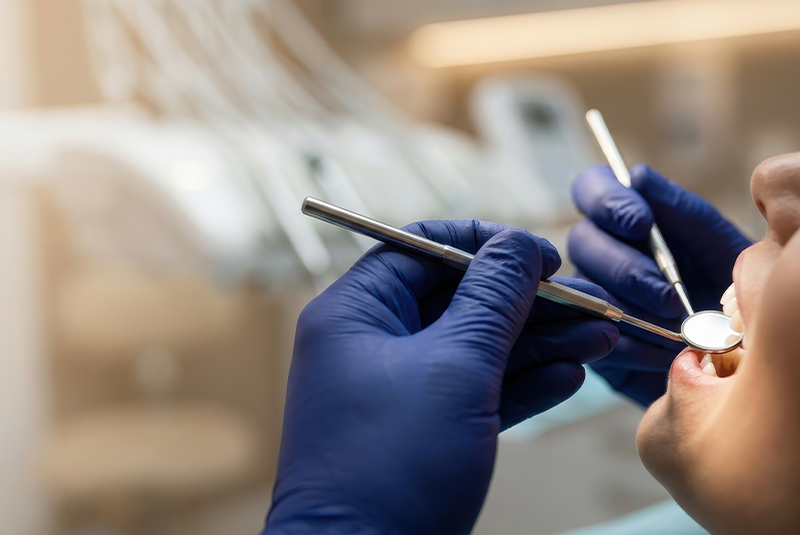
Your treatment begins with a thorough examination of your dental implant and the surrounding tissues. We’ll evaluate the health of your gums, assess any bone loss, and identify the extent of the infection using advanced diagnostic technology. This detailed assessment allows us to determine whether LAPIP is the right solution for protecting your implant and restoring your oral health.
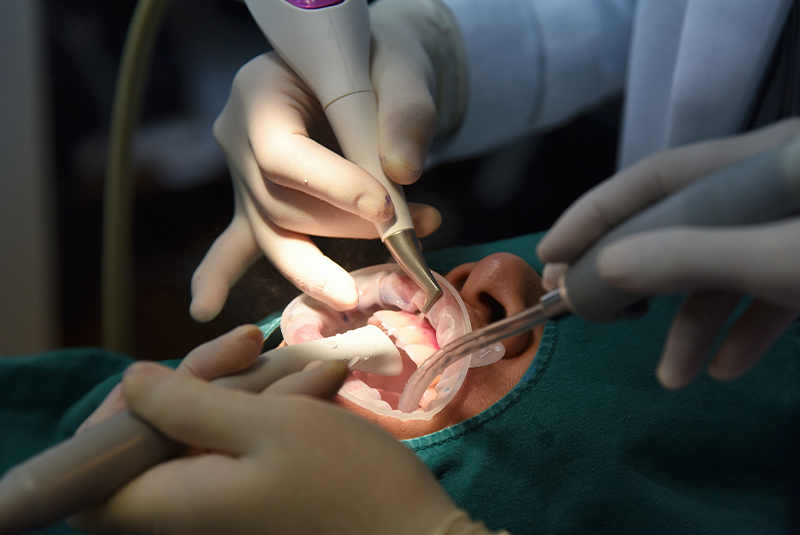
Once treatment begins, the PerioLase® MVP-7™ laser is carefully guided around the affected implant to target harmful bacteria and remove infected tissue. The laser works with exceptional precision, preserving healthy gums while disinfecting the area around the implant. Because LAPIP is minimally invasive, patients typically experience less discomfort and a more comfortable recovery than with traditional surgical procedures.
After the infection has been eliminated, specialized ultrasonic instruments are used to gently remove bacterial buildup and debris from the implant surface. Thoroughly cleaning the implant creates a healthier environment for the surrounding tissues and improves the implant’s stability. This step is essential for encouraging the gums to reattach and supporting long-term implant health.
To complete the procedure, the laser stimulates the formation of a stable fibrin clot around the implant, creating a protected environment for healing. This natural process encourages the body to regenerate healthy tissue and strengthen the attachment between the implant and surrounding bone. Over time, the area continues to heal, giving your dental implant the best possible opportunity for long-term success.
I understand the information disclosed in this form may be subject to re-disclosure and may no longer be protected by HIPAA privacy regulations and the HITECH Act.